
Future of Equity Key Takeaways
I’ve been getting great feedback on my new keynote “The Future of Equity”. I thought the key takeaways might be useful for your work.
Entering time of exponential change
We are living in a time of exponential change. Driven by technological changes, the pace of change is faster than we have every experienced as humans and the human brain is not made for this pace of change. This causes instability in our organizations and in the communities we care about.
Nazis Really Hate Robots
I believe that the recent rise of Nazism is tied to job losses created by Artificial Intelligence and robots. Because we don’t talk about this fundamental change to our economy and how quickly it is happening, people have an old story that “immigrants and people of color are taking our jobs” that is creating this rise in hate.
Skills for the Future
Our schools have been built for assembly line jobs. Follow directions, do your part and you will be successful. Those are not the skillsets that we need now. When I talk to educational futurists about what skillsets are needed moving forward it is ability to partner with technology, remixing (two technologies together to create something new), and cultural flexibility as we become a more global economy. Kids of color are skilled in many of these areas.
New Urgency on Climate Change
Since just 100 companies have been the source of more than 70% of the world’s greenhouse gas emissions, an increased foundation focus will be on shareholder advocacy to hold corporations accountable for their impact on the climate, rather than just focusing on the recycling and driving habits of individual citizens. Nonprofits will also focus more efforts on climate change, as low-income communities will bear the brunt of climate change impacts. In California, celebrities and insurance companies hired private firefighters to protect expensive properties. America already has climate change refugees- Native American communities in Alaska and New Orleans that have had to move because of climate change impacts.
Foundations Find their Voice
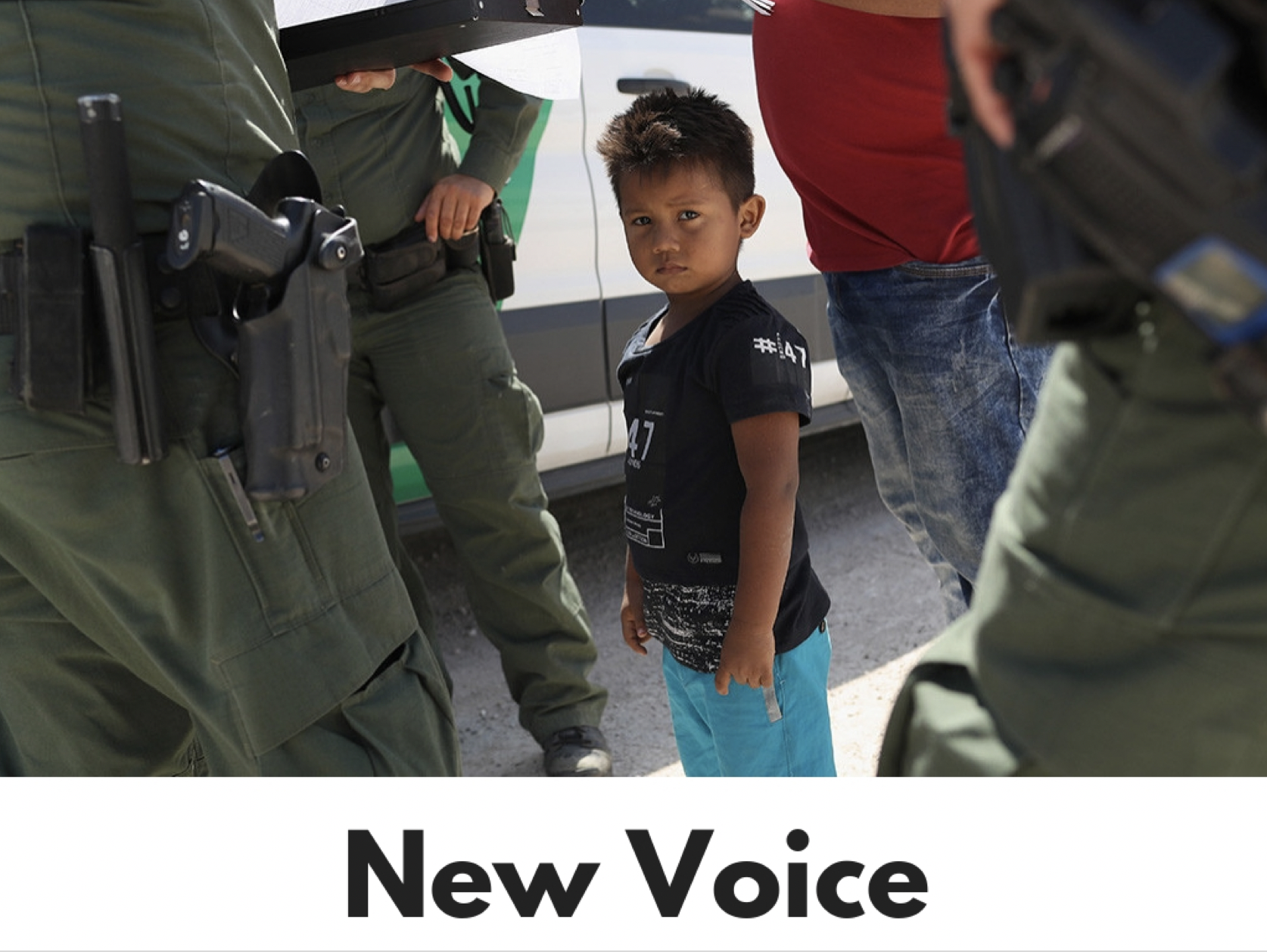
Just as television images of civil rights protesters being viciously beaten galvanized disengaged northern Whites to act, social media stories and videos of the children of asylum seekers at the southern border being separated from their parents and abused or dying while in the custody of the United States government will push foundations to speak out against separations. Foundations like the ones that have been a part of Grantmakers Concerned with Immigrants and Refugees (GCIR) for a number of years will provide mentorship and support to funders that are just beginning to engage.
As the pace of change accelerates, it is even more critical that social sector organizations understand and influence key equity trends. Becoming a future focused leader is no longer a luxury but a necessity.
Future of Equity
This webinar with Dwayne Proctor, Senior Advisor to the President at the Robert Wood Johnson Foundation, covers future equity trends and strategies to help your foundations and nonprofits build a more equitable future within your organization.
Five Future Trends for Fundraisers to Watch
The world is changing quickly and nonprofit fundraisers are on the forefront of this change. The key to not being run over by fundraising trends is to understand what is coming next and prepare for the new reality. Here are 5 trends for nonprofit fundraisers to watch:
1) New giving options for donors- Because of tax law changes, giving to traditional 501 (c) 3 nonprofits will decline. People will still be charitable but they will be more likely to support their neighbor’s Go Fund Me campaign or a 501 (c) 4 organization that is working on political issues the donor is passionate about.
2) Corporate Donors Move Global-More corporate foundations are moving their giving from hometown communities to global issues to match the interests of their global workforce and customer base. This means less corporate donors for your capital campaign or to sponsor tables at your events.
3) Donors Expect Deep Personalization-Personalization in the for-profit sector is shaping donor expectations and making it increasingly essential that your nonprofit provides customized material for every donor or donor segment. Your donor that likes supporting your after school program but isn’t interested in your teacher training programs will expect that the emails and letters that they receive from you match that interest.
4) New Expectations- Donors will be more likely to ask if your internal actions meet your mission. If you are working on ending global poverty for women, do you have wage disparities by sex in your organization? If you are working on economic empowerment in communities of color, do the vendors you select for office supplies and construction projects match your mission? Make sure the inside realities of your organization, match the external mission.
5) Working Your Assets- If your nonprofit has an endowment or healthy reserves, donors will start to ask how those dollars are put to work while you are holding them. Mission investment will soon be the expectation for nonprofits of all sizes.
Since the pace of change is getting exponentially faster, you need to continually grow your skills as a future focused fundraiser. My book “Future Good: Using Futurism to Save the World”, makes it easy to develop and hone these skills.
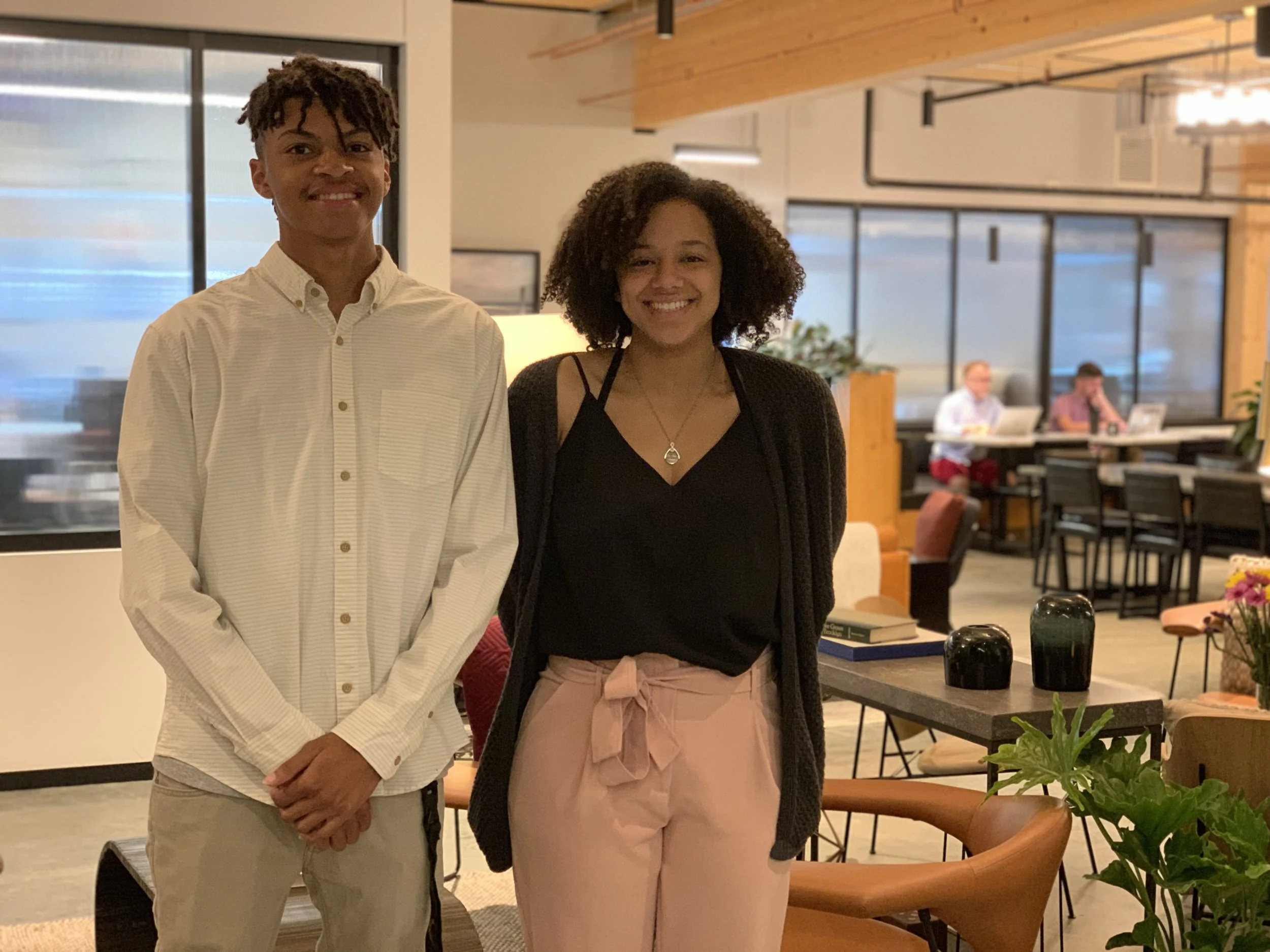
Meet the FutureGood Research Assistants
Khyri is an incoming Freshman at Howard University at the School of Business.
Nia is a rising Junior at Carleton College studying Economics.
They are working on a variety of projects including a scan of research on the ethics of artificial intelligence, future trends in data disaggregation by race, earned revenue stream innovations for nonprofits, and strategies to increase the quality of meeting space for the nonprofit sector.