Each year, the FutureGood team and I spend time looking for the early signals of what's coming next for philanthropy and nonprofits. We draw on a year of research, conversations with hundreds of leaders across the sector, and the patterns we're seeing emerge in our work. With the pace of change accelerating, understanding what's around the corner has never been more important. Here are the trends we believe will shape the sector in 2027.
1. The AI Philanthropy Boom
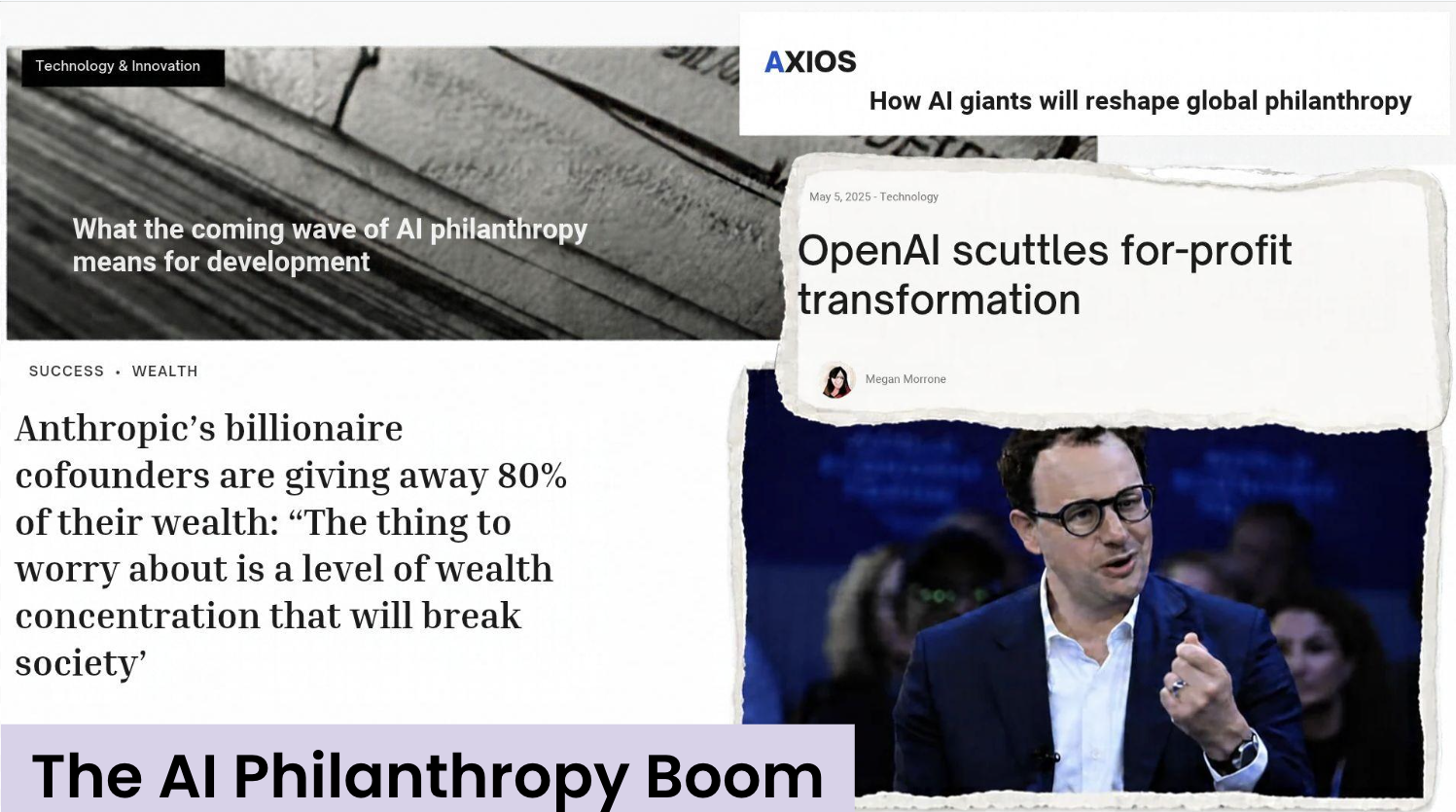
A new generation of philanthropic wealth is arriving, and it's coming from the companies building artificial intelligence. The OpenAI Foundation pledged this year to grant out $1 billion over the next year, on top of a $25 billion commitment without a set time frame. All seven of Anthropic's cofounders have pledged to give away 80% of their wealth, and employees have committed shares that could be worth billions more. As these companies move toward going public, Forbes estimates AI could eventually fuel about $30 billion in annual giving. That's roughly 5% of all U.S. giving from a single industry, much of it controlled by donors who are young, analytical, and eager to give now rather than later.
This is a remarkable opportunity, and the sector needs to show up for it. These funders have already named AI's effects on jobs, the economy, and mental health as priorities, and the OpenAI Foundation's early community grants went to libraries, local newsrooms, and community organizations rather than tech groups. The most important AI work isn't happening in labs. It's happening in workforce programs, schools, community centers, and organizations helping people navigate a world that's changing faster than any of us expected. My encouragement to nonprofits is to walk into these conversations with a clear story about how you help your community adapt to the AI future. The companies creating this change have a responsibility to help people thrive in it, and nonprofits know how to do that work.
2. The "Big Enough" Foundation
Imagine a foundation that decides it's big enough. Instead of paying out the 5% minimum and reinvesting everything else, it keeps just enough of its investment return to keep pace with inflation and gives the rest away. Its endowment holds steady in real terms, and it stays around for future generations without growing any larger. In 2025, private foundations earned an average return of 14.1%. If every foundation had followed the "Big Enough" model, foundation giving would have been roughly $100 billion higher, about double what they actually gave, and their endowments would still be just as strong as the year before. In 2027, more foundations will start asking whether endless growth is actually serving their mission, or whether staying the same size is the more generous and responsible choice.
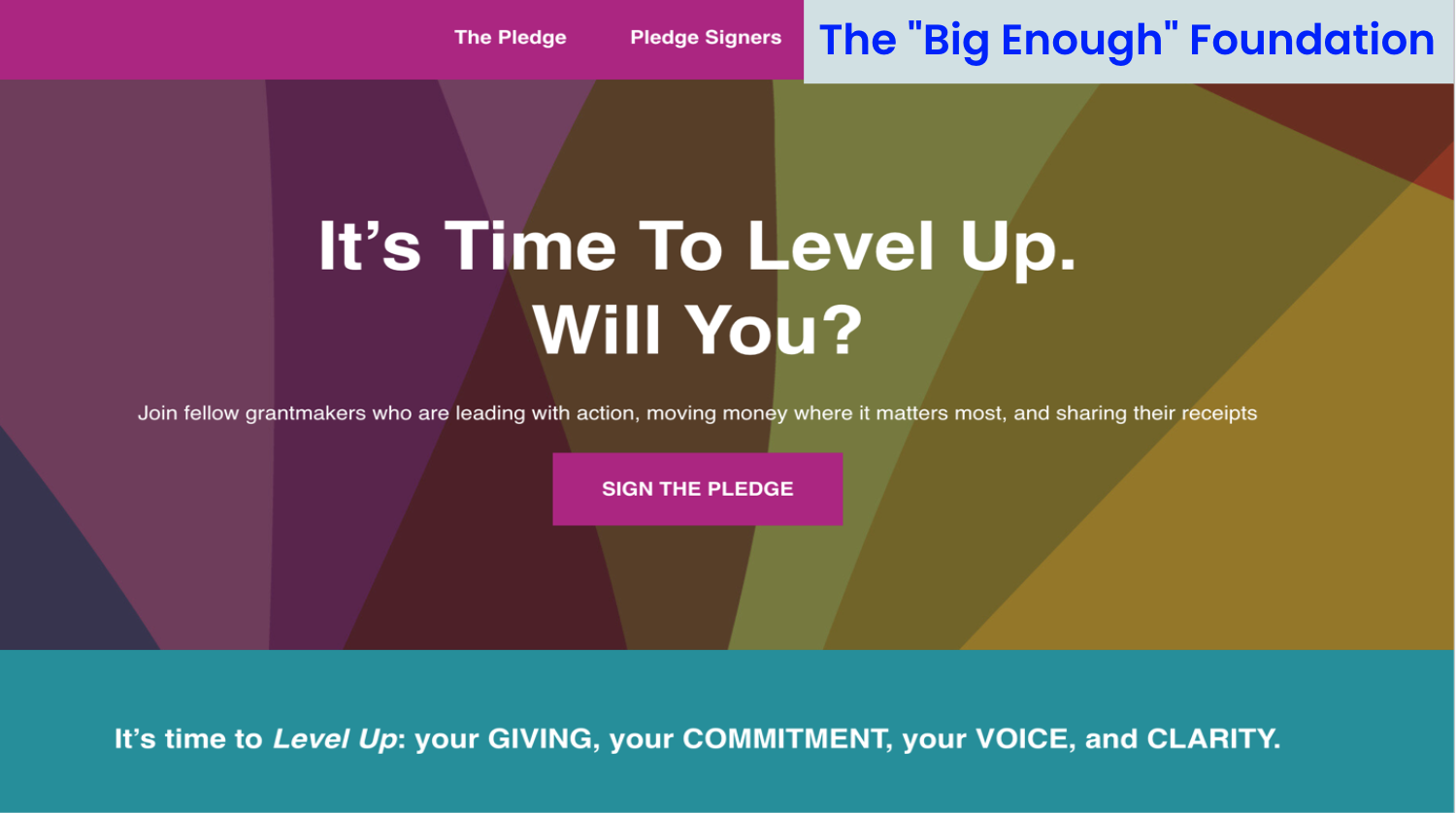
Some funders are already showing the way. Woods Fund Chicago has raised its payout to nearly 14% of its assets, putting its money to work for racial and economic justice in Chicago right now. More than 35 philanthropies have signed CHANGE Philanthropy's Level Up pledge, committing to increase their grantmaking by 20% or more, or raise their payout to 8% or higher, for at least two years. FutureGood’s donor-advised fund is proud to be one of them. Giving more for a year or two is a response to a crisis. Deciding you're big enough is a change in what a foundation believes it's for.
3. Don't Rebuild. Reimagine
Federal funding cuts are fundamentally changing what nonprofits can deliver to their communities. In 2025, 35% of U.S. nonprofits experienced government funding disruptions, including canceled grants, frozen payments, and orders to stop work. Organizations providing mental health services, job training, emergency shelter, and other essential programs have been forced to reduce services and lay off staff. The organizations serving people experiencing poverty, homelessness, and other vulnerabilities have been especially hard hit. The instinct is to try to replace every lost dollar and restore what existed before. But philanthropy cannot replace government funding at this scale, and spending all of our resources trying to rebuild the old system leaves little room to imagine something better.
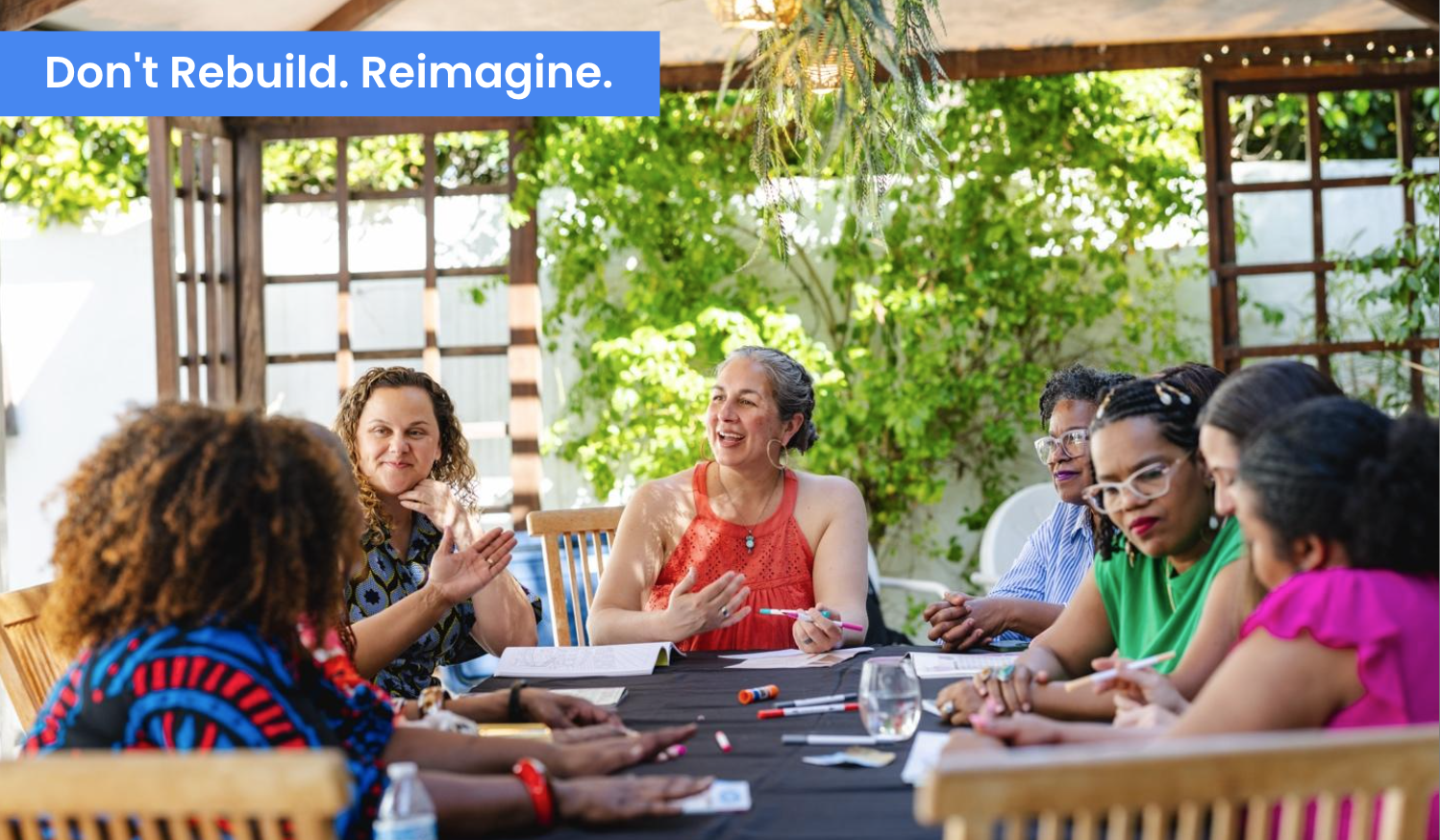
The role of foundations in 2027 is not simply to rebuild what was. It's to help communities imagine what comes next and fund that. Many of the programs now losing funding were designed decades ago, for a different economy, different technology, and different community needs. This is a painful moment, and it's also an opening. Foundations can bring together the people most affected by these cuts, ask what they actually need now, and invest in new models that are more community-led, more adaptive, and less dependent on a single funding source. The question to ask isn't "how do we get back to where we were?" It's "what would we build if we were starting fresh today?"
4. The Next 250 Years
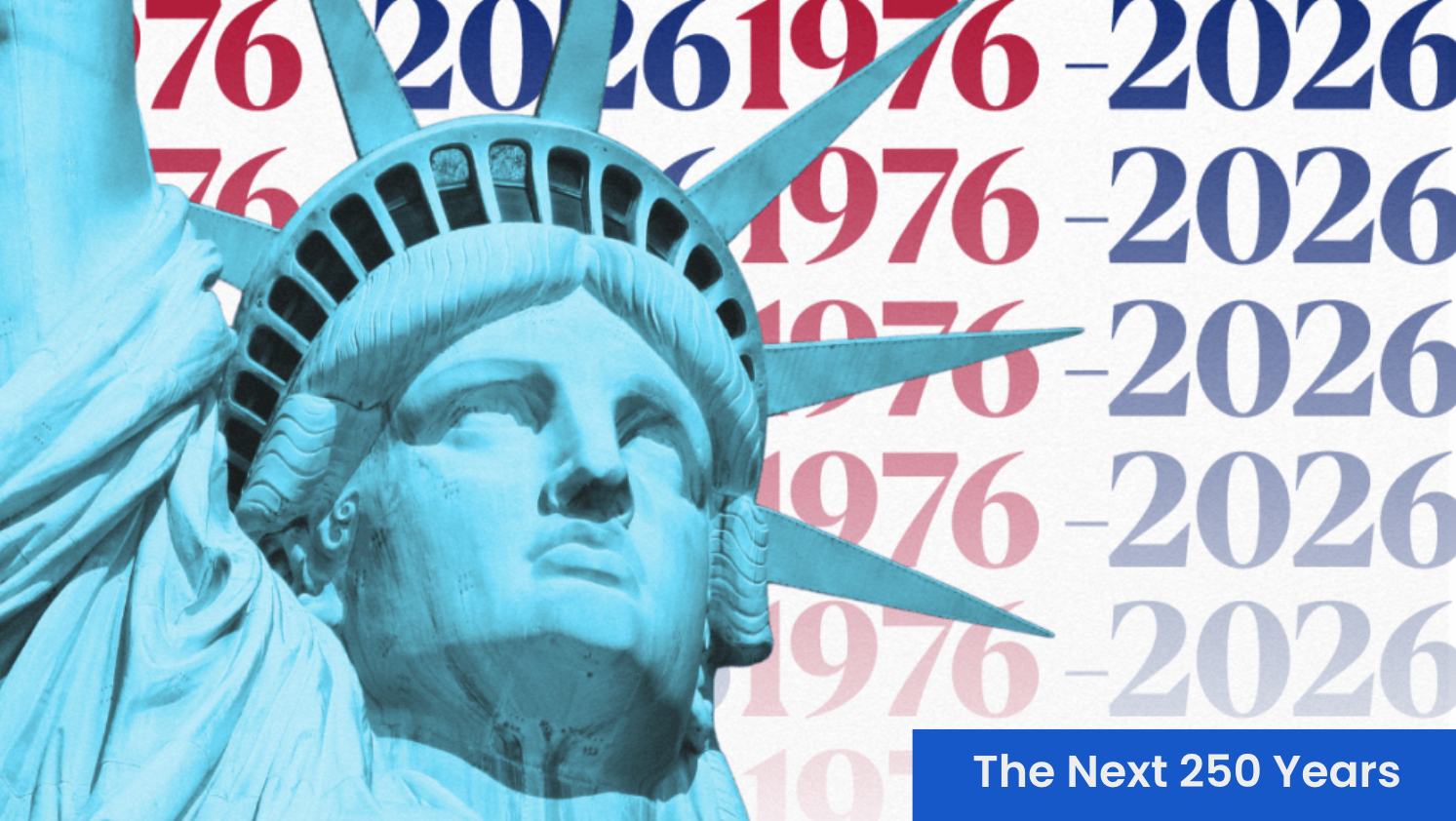
This summer, our country marked its 250th anniversary. It was a moment to look back, and it also gives us a rare invitation to look forward. What kind of democracy, communities, and civil society do we want to hand to the people living here 250 years from now? Very few institutions think on that time horizon, but philanthropy is one of the few that can. Foundations are built to last, and that gives them a unique responsibility to hold the long view when everyone else is focused on the next quarter or the next election.
In 2027, I expect to see more funders and nonprofits using this milestone to ask bigger questions. What will our grandchildren's grandchildren thank us for? What are we doing today that they'll wish we had done differently? These questions aren't abstract. They change what gets funded, who gets invited into the conversation, and how we measure success. Organizations that develop a clear vision of the long-term future they're working toward will make better decisions now, and they'll be better able to stay steady when the short term gets rocky.
5. Upgrading Humanity
As AI takes on more of the tasks we used to do, the skills that make us human are becoming more valuable, not less. Trust, curiosity, wonder, empathy, and the ability to bring people together can't be automated. In a world full of machine-generated content, people are hungry for real connection and for leaders they can believe in. Organizations that invest in these human strengths will stand out.
For the social sector, this is good news. Nonprofits have always been in the business of relationships, community, and care. In 2027, I expect forward-thinking organizations to invest deliberately in the human side of their work: training staff in facilitation and relationship-building, creating more spaces for people to gather in person, and designing their AI use so that it frees people up for the work only humans can do. The question isn't how to compete with machines. It's how to become more fully human alongside them.

6. AI Moves from Assistant to Teammate
Nearly every nonprofit is now using AI, but very few are seeing real change from it. A study of 346 nonprofits found that 92% use AI in some form, yet only 7% report major improvements in their ability to achieve their mission. Researchers call this the "efficiency plateau." Most organizations are using AI to write emails and summarize documents a little faster, and most use is reactive and individual rather than planned across the whole organization. Nearly half have no formal AI policy at all.
In 2027, the gap between dabbling and real impact will become one of the defining stories of the sector. The organizations that break through will stop treating AI as a personal shortcut and start treating it as a teammate. That means AI agents that can manage whole workflows, not just single tasks, and it means redesigning jobs, processes, and even programs around what's now possible. What separates the organizations seeing real impact isn't fancier tools. They fixed their strategy and their processes first, then brought in AI. The future belongs to leaders who ask “what could we do that was never possible before?"
About the Author: Trista Harris is a philanthropic futurist, nationally known for her unshakeable optimism and unmatched ability to predict what’s coming for the social sector. She’s also the author of “How to Become a Nonprofit Rockstar” and “FutureGood: How to Use Futurism to Save the World”. As President of FutureGood, Trista helps organizations prepare for whatever wild plot twists the future throws our way.